PV Storage and Self-Consumption in Mallorca: Off-Grid Systems, Grants and Technology
Power from your own roof around the clock: how battery storage, self-consumption optimisation and the Spanish surplus compensation scheme work together - and when a self-sufficient off-grid system is the right solution.
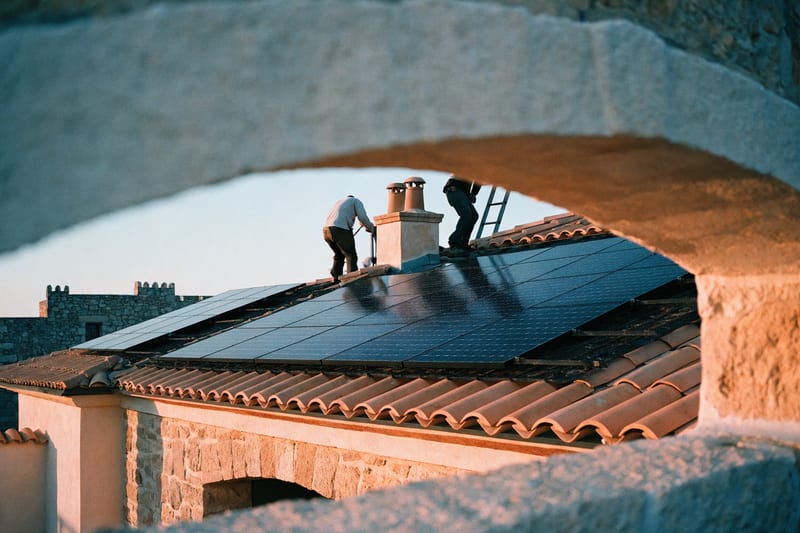
A PV system in Mallorca produces the most electricity at the time many households need it least - the middle of the day. Anyone wanting to use solar power in the evening as well cannot avoid the subject of storage. This guide explains how self-consumption, battery storage and the Spanish surplus compensation scheme work together, and who stands to gain from a self-sufficient off-grid system. The fundamentals of the technology and its installation are covered in the comprehensive solar guide for Mallorca.
Self-consumption: the economic core of any system
Electricity that is generated and used on site replaces expensive grid power - that is the biggest lever on profitability. Without storage, the self-consumption share of a typical household is often only around a third; with a battery it can be raised considerably, because the midday surplus covers the evening and the night. In Mallorca there is an island bonus on top: air conditioning runs in summer at exactly the times when the system delivers most - and anyone who shifts hot water, the pool pump and the air conditioning cleverly into the sunny hours lifts self-consumption noticeably even without a large battery.
Surplus compensation: the compensación de excedentes
For grid-connected systems with self-consumption, the Spanish scheme provides for compensación de excedentes: surplus electricity flows into the grid and the supplier credits it on the electricity bill - up to a maximum of the energy drawn during the billing period. Nobody grows rich on it, but it improves the figures for smaller systems considerably. The condition is that the system is correctly registered and legalised; a good specialist firm handles the whole paper trail. An energy consultant in Mallorca can also help in making sense of Balearic grant schemes and tax incentives.
Battery storage: sizing with a sense of proportion
The right battery size follows evening and night-time consumption, not the size of the array: an oversized battery is rarely used to the full and lengthens the payback period. Modular lithium systems that can be extended are usual for houses - practical if an electric car or a heat pump is added later. One point that matters in the island climate: batteries belong in a cool, ventilated place; direct summer heat in garages under sheet-metal roofs costs service life.
Off-grid systems: self-sufficiency on the finca
For fincas without a grid connection - and there are many of them in rural Mallorca - the off-grid system (sistema aislado) is often the most economical solution: PV panels, a generous battery, a charge controller and an inverter supply the property independently, with a generator as a backup for long spells of bad weather in winter. What is decisive is an honest analysis of consumption before the planning starts: anyone wanting to run air conditioning, a pool pump and a washing machine off-grid needs far more storage and panel capacity than a weekend house. Experienced firms are listed in the category solar and photovoltaics.
Microinverters and optimisers: useful where there is partial shading
On irregular finca roofs with chimneys, trees or several roof surfaces, it is worth looking at microinverters or power optimisers: each panel works independently, partial shading no longer drags down the whole string, and the monitoring shows every panel individually. For small entry-level solutions on a terrace or garage roof, plug-in systems are an option too - more on that in the guide plug-in solar systems in Mallorca.
Making the sums add up
Always have the yield forecast and the self-consumption calculation worked out for the specific system - with your real consumption data, not with catalogue figures. And plan the maintenance in from the start: how to keep panels, inverters and batteries performing in the island climate is set out in the article PV maintenance in Mallorca. A curated overview of providers is offered by the best solar companies in Mallorca.
Frequently asked questions
Is a battery worth it in Mallorca?
In most cases yes: high electricity prices, plenty of sun and evening consumption (air conditioning, cooking, the pool pump) all argue for a battery, because it raises the self-consumption share considerably. What is decisive is correct sizing based on your real evening and night-time consumption - an oversized battery only lengthens the payback period.
What is the compensación de excedentes?
The Spanish surplus compensation scheme for self-consumption systems: solar power that is not used on site flows into the grid and is credited on the electricity bill, up to a maximum of the electricity drawn during the billing period. The condition is a correctly registered and legalised system - the registration is usually handled by the installer.
Can I run my finca in Mallorca entirely off-grid?
Yes - off-grid systems (sistemas aislados) are well proven in Mallorca and are often cheaper for fincas without a grid connection than a retrofitted connection. What is needed is an honest analysis of consumption, a sufficiently large battery and, as a rule, a generator as a winter backup. Large loads such as air conditioning call for correspondingly more panel and storage capacity.
When do microinverters make sense?
Above all where there is partial shading and on irregular roofs: each panel works independently, so a shaded area does not drag down the yield of the entire string. The monitoring also delivers data for every panel, which makes fault-finding easier. On large, unshaded south-facing roofs the classic string inverter usually remains the more economical choice.
Are there grants for PV batteries in the Balearics?
The Balearic government repeatedly launches grant programmes and tax incentives for photovoltaics and storage; availability and conditions change continually, however. Ask the installer or an energy consultant about the programmes currently open - applications usually run through the specialist firm.